Why Behavior Works Zoo School?
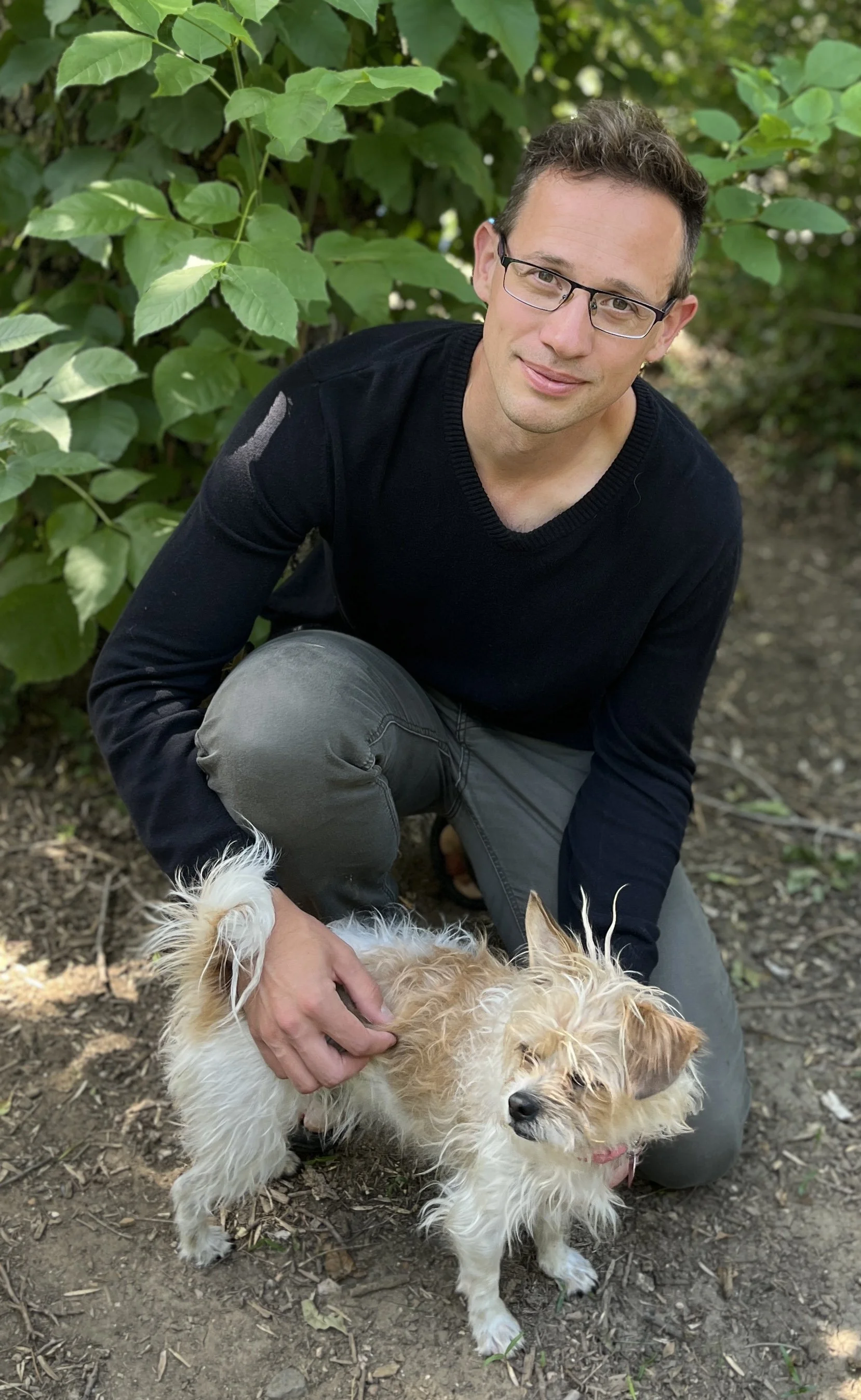
Rick Hester
Chief Executive Officer
“Over the last 20 years I have observed that zoos view behavior through an ethological lens. While ethology necessarily informs our work, many of the challenges currently at the forefront of zoos are those related to learning and behavior. These challenges pose questions ethology alone leaves unanswered, because it fails to attend to the contingencies of reinforcement experienced by the individual.
The Behavior Works Zoo School (BWZS) offers a curriculum centered in behavior analysis, which studies the natural phenomenon of learning. A behavior analytic perspective brings at least two key components not commonly found in the ethological approaches of zoo welfare science. First, behavior analysis studies individuals rather than species. We assume all behavior is the sensible product of both the individual’s history (genetic and experiential) and the effects of the current environment in which they are behaving. Second, behavior analysis brings a commitment to moment-by-moment changes to the environment informed by continuously collected data on individual learner’s behavior.
Without the sensitivity and understanding gained through this approach we will be hard pressed to engineer environments that support the behavioral health of animals in the zoo. Success in this endeavor is not accomplished without understanding how the brains and bodies of the species work, and with what environments they evolved to interact. However, when we pick up this ethological perspective, we don’t put down our behavior analytic one. Behavior is flexible, it is a biological mechanism for adapting to changes within one’s lifetime.
In this inherited behavioral flexibility, called learning, there is hope for zoos. If we are to reduce force and coercion and replace them with freedom to behave for meaningful outcomes, we need to be educated in the philosophy, principles, and procedures of behavior analysis.”
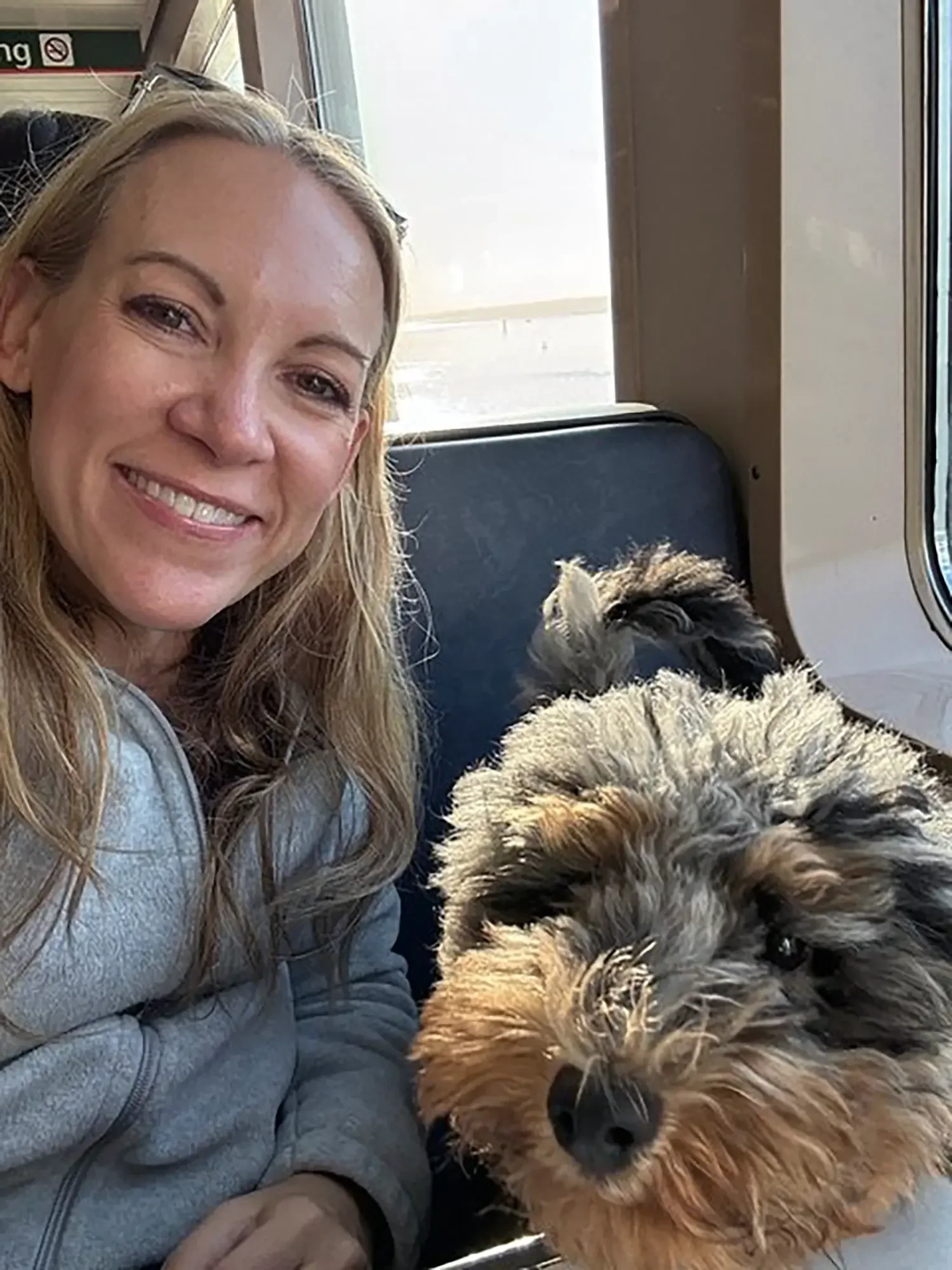
Christy Alligood, Ph.D.,
BCBA-D
Chief Science Officer
“My career has been shaped by a simple but powerful idea: when we understand behavior, we can improve lives—human and nonhuman alike.
I came to behavior analysis through rigorous academic training and stayed because of its impact. Behavior analysis is not about control—it’s about clarity. It asks us to look closely at what animals do, the environments they live in, and the consequences that shape their choices. When we do that well, we replace guesswork with data and assumptions with understanding.
Animal professionals operate at the intersection of science, ethics, and public trust. Behavior analysis provides a common language that brings caregivers, trainers, veterinarians, researchers, and leaders together around shared goals. It allows us to design environments that support species-typical behavior, teach skills that expand animals’ choices, and evaluate our efforts honestly through data.
As an educator, my passion is helping students connect theory to practice. The most effective behavior analysts are not just technically skilled—they are thoughtful observers, clear communicators, and lifelong learners. Behavior Works Zoo School embodies that philosophy. It offers a learning environment where professionals can deepen their understanding of behavior while staying rooted in real-world application. The curriculum reflects the realities of animal care and management, emphasizing practical skills, ethical decision-making, and continuous improvement. The faculty are uniquely equipped with the expertise and experience to guide students in their development.
Behavior Works Zoo School matters because our field is evolving. Animal professionals are embracing a culture of welfare, choice, and transparency. Along with other fields of study such as ethology and leadership, behavior analysis has a critical role to play in that evolution—supporting cooperative training, proactive problem solving, and organizational change. Through my leadership roles in professional organizations and my work with AZA advisory groups, I have seen how shared education accelerates culture change. When teams speak the same behavioral language, progress follows.
Ultimately, behavior analysis is optimistic. It assumes that improvement is possible when we understand the variables at play and commit to evidence-based action. Behavior Works Zoo School will help to cultivate that optimism by equipping professionals with the tools, confidence, and community they need to make lasting, positive change.”
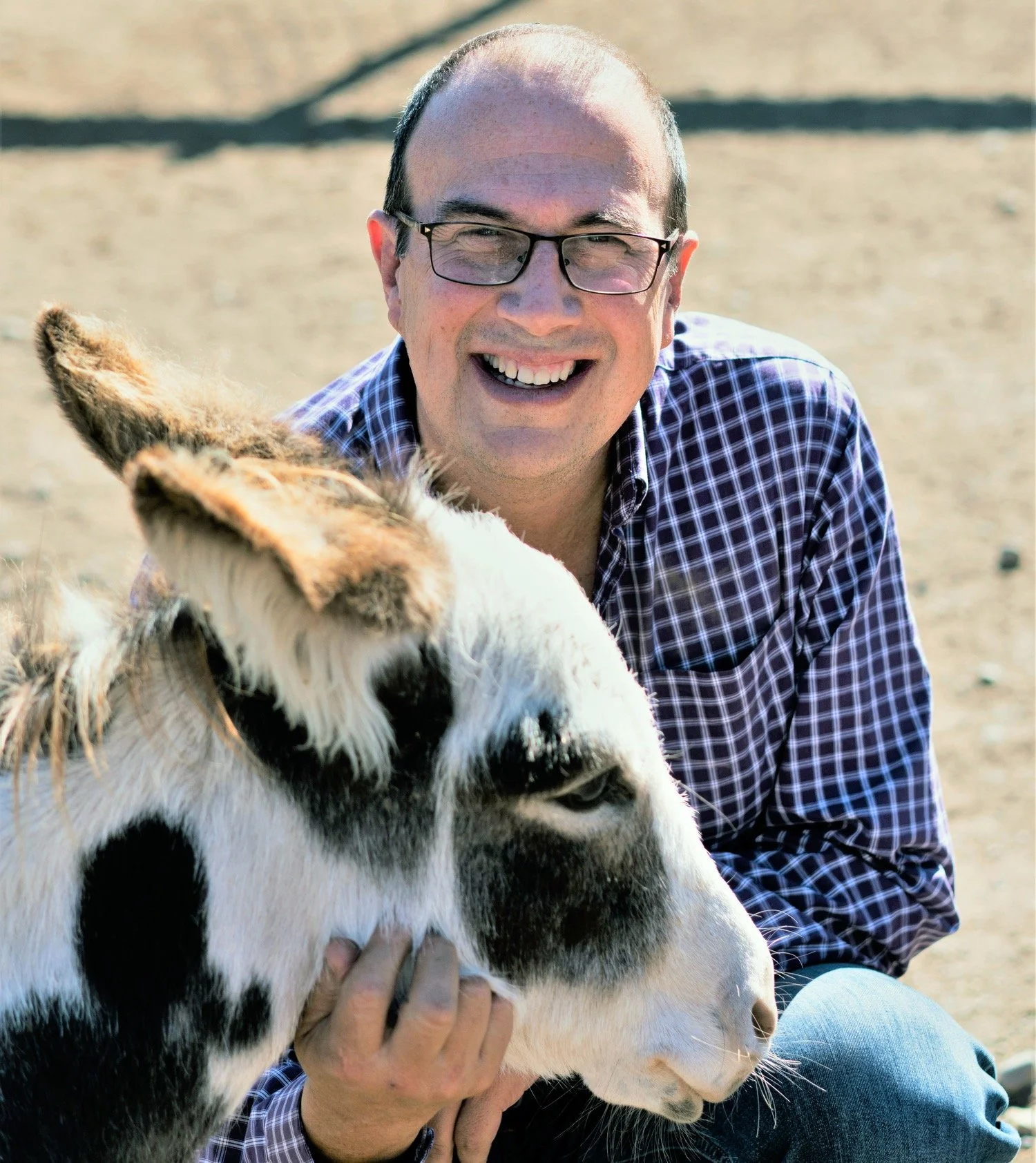
Ken Ramirez
Chief Training Officer
“The Behavior Works Zoo School course fills a unique niche in the zoological community. This course brings together top scientists and trainers, all of whom are leaders in the field and who have extensive experience working in the zoo field. This course provides a practical approach to applied behavior analysis, grounded in a solid scientific framework. This education is more critical than ever as zoos come under intense scrutiny from many directions. Understanding behavior, ethics, research, and data collection and analysis are crucial components of providing exceptional animal care and ensuring the welfare of the animals in our care. This is the right time and the right people to guide you in your journey to being the best zoological professional in these challenging times.”
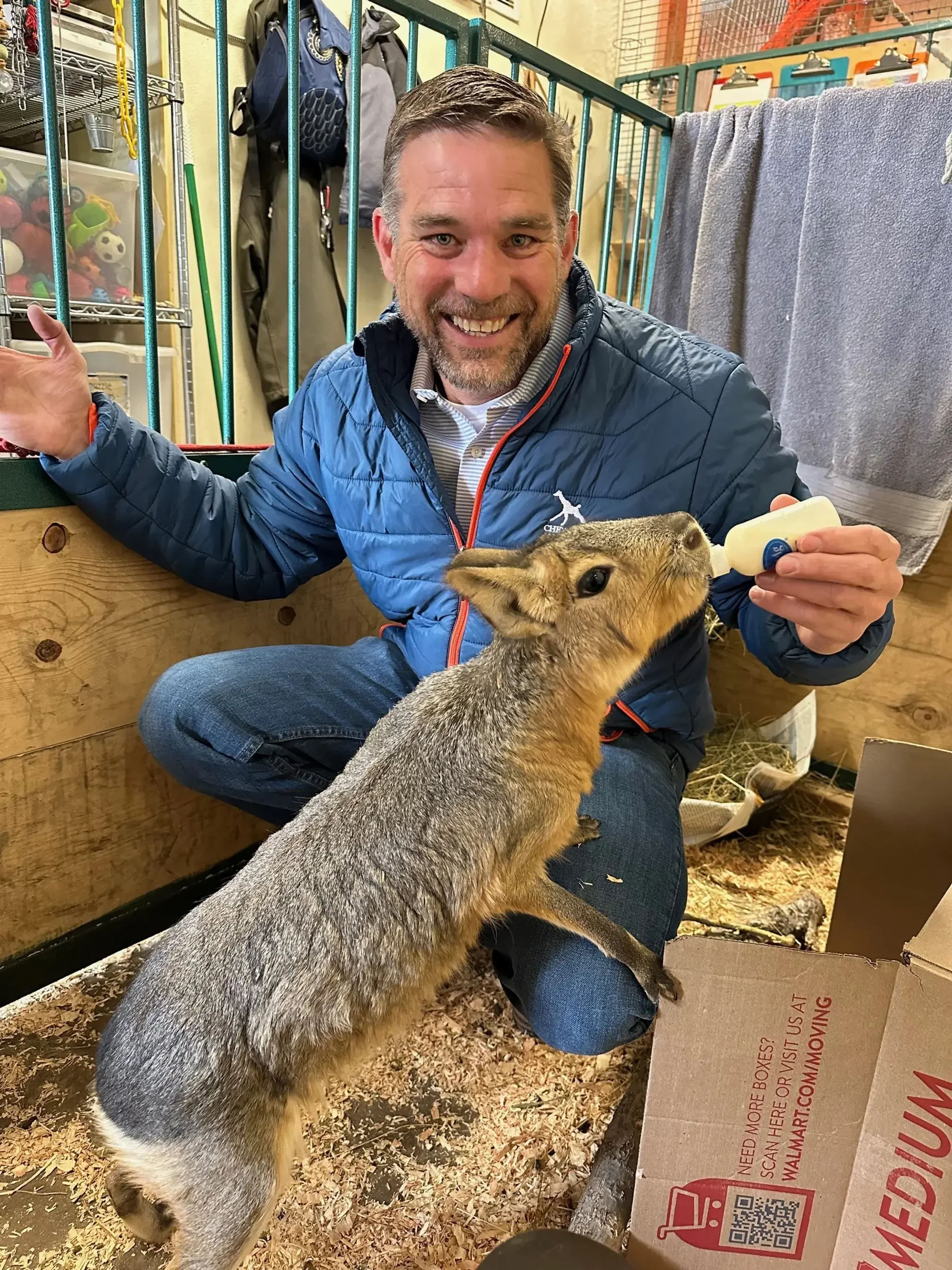
Bob Chastain
Leadership
“Robert Rodriguez; a director, producer, writer, composer cinematographer and editor, has made quite a name for himself doing what is counter intuitive in Hollywood. When asked what advice he would give on accomplishing great works, he gives three pieces of advice. First, when you are criticized or fail, “Don’t blink”. Fear forward, he says. The Second is… commit to a body of work, BEFORE you change course or allow the noise in the world to take you off course. Third, just get started. He believes that as you simply begin the work, the art will make itself known.
As it happens, this mirrors much of what is needed while building a great zoo. The science of behavior is known to work because life often reveals itself to people in similar ways who have never met or work in different professions. We can observe what works and does not work because life and our learning shapes us. We are being shaped and are shaping others whether we know it or not and whether we are skilled shapers or not. I was an extremely skilled shaper of behavior in my youth. BUT, unfortunately, not always in the way I thought I was. Long before I was the CEO of a Zoo that consistently ranks as one of the best in the country, I was a young CEO learning the hard way. I was either doing it completely wrong or less effectively than possible.
Four goals drove me and continue to drive me. 1) develop a culture where after a person leaves they would say it was the best place they ever worked. It is worded that way because I realized people don’t always know what they have until it is gone. 2) While at Cheyenne Mountain, they would use their discretionary energy for the mission. 3) In my mind, every animal deserved the best home possible. Because of that we did not stop building new homes for over 20 years straight. We wanted every exhibit and animal to be set up for success. This would have been impossible without a basic understanding of principles like antecedent arrangement, the negative side effects of punishment, reinforcement vs reward, and the “click and hope” approach to training . This list grew and grew in complexity and understanding for over 15 years. You too can understand all of these principles with a skilled guide to help you see how animal behavior and people behavior are just behavior.
While working with Susan Friedman on our animal goals, I saw she was an expert in the science behind behavior not just animal behavior. She became my guide and now you have access to that through the BWZoo School. Every goal you have will get better and attainable. The Cheyenne Mountain Zoo became a place where people began to dream and learn freely. A place where the ideas around taking thoughtful action, observing the results and revising our plan became second nature. If your goal is to be a professional shaper of people and animals we can teach you the how and whys behind how behavior analysis can help achieve anything you can dream. We can make sure your body of work stands as a testament to the visions you have.”
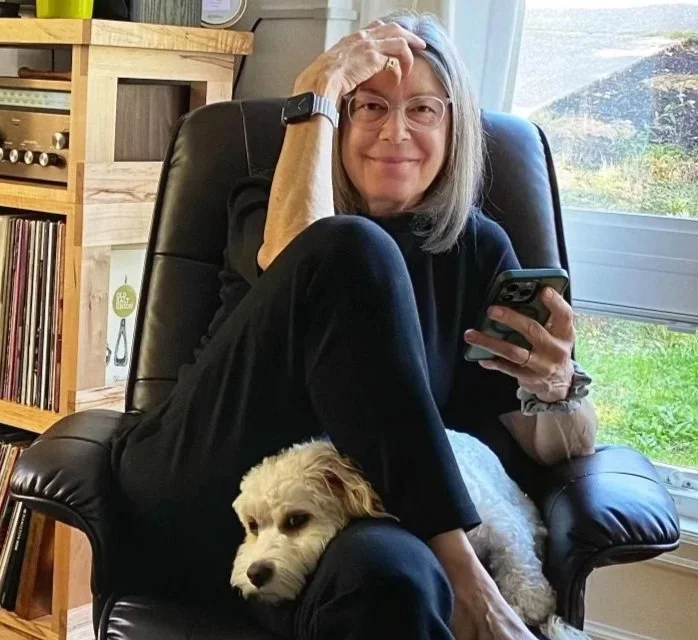
Susan G. Friedman, Ph.D.
Founder
“As I think back on my motivation for starting a school for animal professionals, I realize I have been in pursuit of these reinforcers most of my life. I mean, how is it that a kid with great parental role models and a relatively easy go in life ends up in the principal’s office by the first week of primary school? That was in the 1960s, and way back then, we didn’t hold the values or have the knowledge we have nowadays about learning and behavior. Responsibility for my performance as a youngster in the educational system was shoveled entirely to my side of the table; any failure to behave according to expectations was explained by something I lacked... inside. I have a feeling this is a common story among people who turn to animals for the particular wonder, warmth, and connection having animals in our lives provides.
While writing this essay, I realized this is the second time I have teamed up with visionaries to start a school to improve experiences and outcomes for learners. The first one was the American School of Lesotho in Southern Africa where I served as the first principal. Here, we honored 14 different national anthems and excelled at arranging the environment to increase success and “catching kids doing good.” We put down the more traditional tools of force and coercion in favor of positive reinforcement, task analysis and shaping by approximations. Challenges with academic and social behavior were considered opportunities for teaching not punishing. The responsibility for students’ learning belonged to the teachers, who became experts at focusing on each student’s strengths to mitigate their relative weaknesses. The school is still running 35 years later.
The goals of BWZS are not very different. They are to provide a science-based curriculum for people in the animal care space who want more and better… education, skills, outcomes, and community. And so, we sought to analyze what is most needed to elevate our profession or, said another way, what innovations can BW best contribute, compared to the many educational opportunities available today? That’s when we started thinking about what makes us unique.
No account of behavior is complete without behavior analysis, the science of learning. However, it is also valid that no account of behavior is complete with only behavior analysis. Our profession needs a school that brings together the critical pillars of excellence in animal care: behavior analysis, ethology, welfare, leadership, ethics and practice. This, we are confident, will generate the synergy needed to accomplish the utmost respect and wellbeing for animals and their caregivers, exceeding contemporary standards of care.
For BWZS, we have assembled the most exemplary and well-known experts in those critical areas to provide information and interactive, hands-on experiences assured to deepen your understanding and skills working with animals of all species across settings. After all, freedom, a construct we all hold dear, isn’t really something living inside you; freedom is about big skill repertoires.
We are excited to take this next leap with you to improve the quality of life for all learners.”