Explore learning and behavior from a
natural science perspective.

How We're Unique
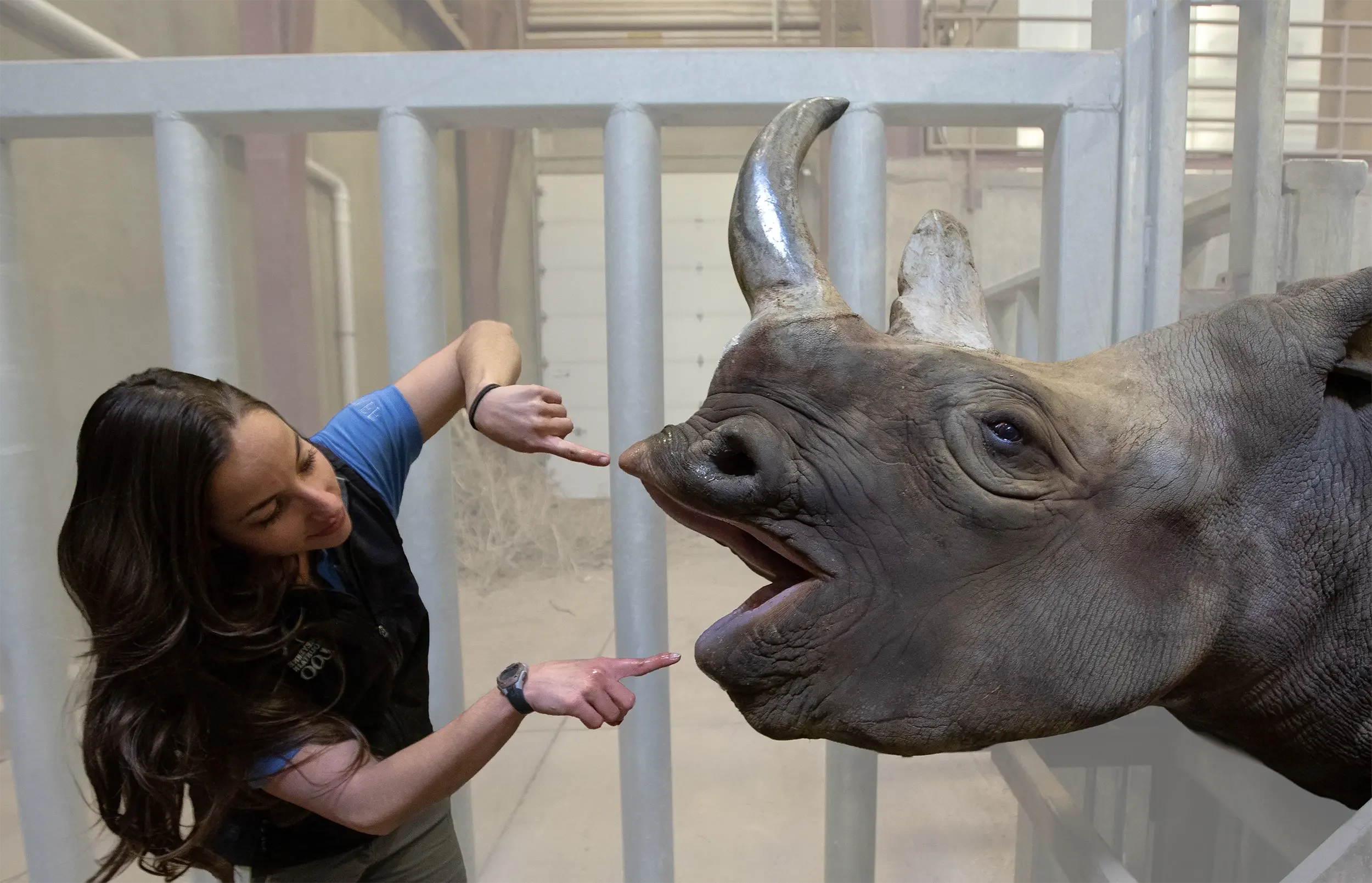
Although our name is Behavior Works Zoo School, we welcome animal professionals from all walks of life and levels of experience, including domestic, companion, and zoo communities.
Our program represents the fusion of different levels of analysis, which we like to call the science sisters: behavior analysis, ethology and welfare science.
Our team of instructors are well-respected for their global influence improving animal care and wellbeing. Our knowledge and skills define the cutting edge with science-based solutions, effective dissemination, and commitment to people and animals.
The BWZS faculty are themselves mentored by esteemed experts in their fields. These formative relationships have a profound influence providing touchstones to connect the past and present research and practice. We welcome our students into this community.
We apply a natural science approach to practical training supported by a deep understanding of learning and behavior. Personal recipe knowledge is not enough for today's standards of animal wellbeing.
Our close relationship with Cheyenne Mountain Zoo, Karen Pryor's National Training Center, Austria’s Animal Training Center, as well as other European and Australian sites, allows us to use a unique, hands-on laboratory school approach to teaching and learning.
Classes are taught with evidence-based instructional design practices, including innovative flipped classrooms, Socratic queries, student-led inquiry, structured reading guides, and frequent feedback to and from students.
Our philosophy of mentoring is characterized by a high level of engagement and commitment to the continued growth of each student. You are the future! Check out what people say about BW courses and other educational opportunities at BehaviorWorks.org
Course Fee
$5,700 USD for the complete 8 course curriculum. Discounts may apply.
$1,000 USD for individual courses selected à la carte.
The in-person workshop and monthly video coaching cannot be purchased à la carte.
The BW Zoo School Mission
We are very excited to introduce Behavior Works Zoo School (BWZS).
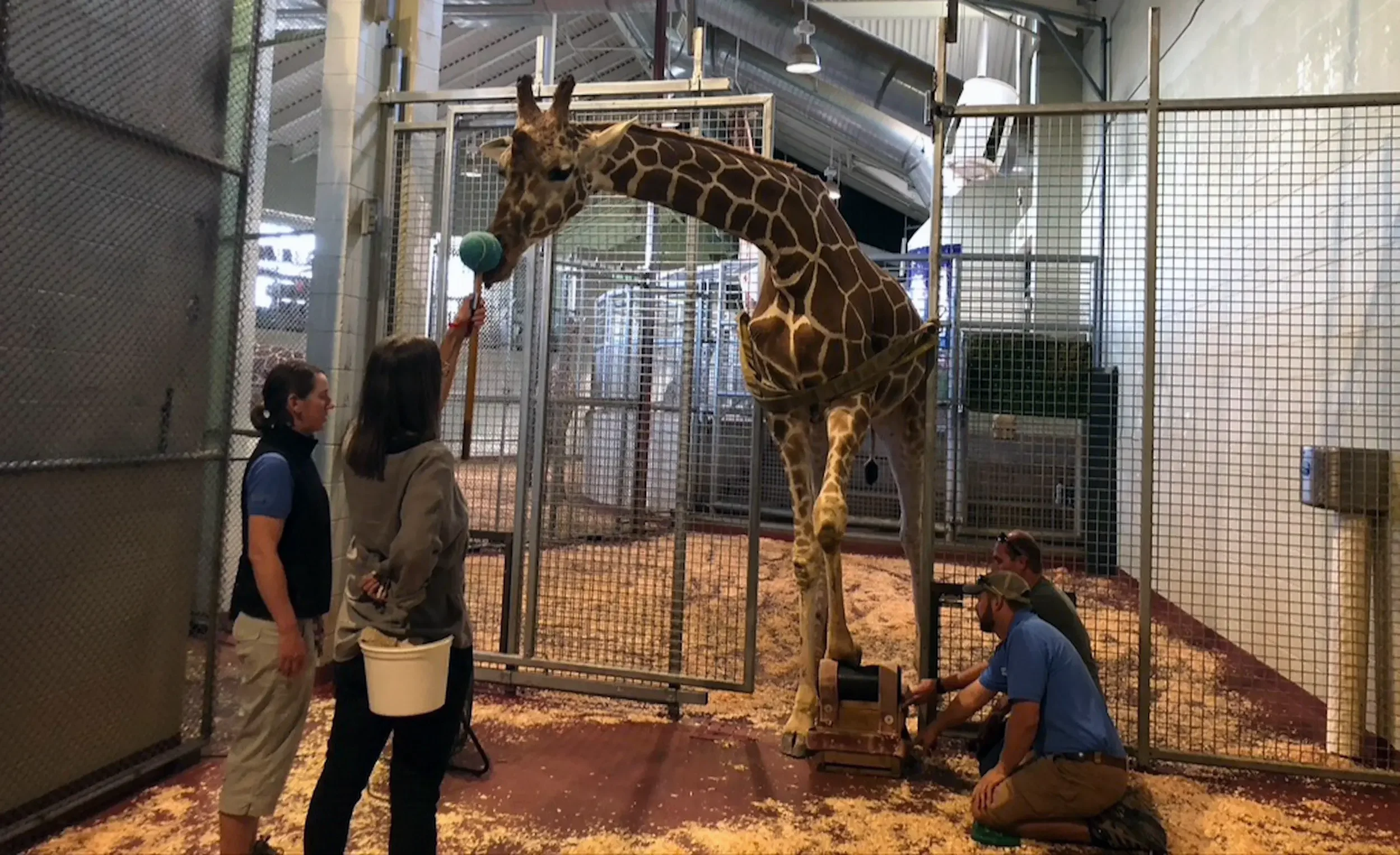
Our mission is to offer a comprehensive certificate program for animal professionals providing a unique fusion of different fields of expertise in learning & behavior essential to a contemporary and holistic approach to animal care and wellbeing.
Mentored by renowned experts in behavior analysis, training, ethology, welfare, and leadership, BWZS is designed to explore learning and behavior from a natural science perspective, emphasizing its critical role in advancing modern animal care practices.
The curriculum focuses on implementing evidence-based programs, with continuous assessment and data-driven decision-making at its core. Students learn to tailor behavior-change strategies by incorporating each animal’s natural history, individual learning history, and current context and conditions to promote individualized, humane care.
Our Philosophy
Three standards drive the BWZS curriculum: compassion, confidence and collaboration. Throughout the curriculum, instructors will reflect the ways in which their course objectives embody these standards.
Compassion turns empathy into action to alleviate discomfort and distress. Compassionate training includes functional assessment, adherence to the least intrusive principle, respecting each animal’s assent and dissent behaviors, and consideration of natural history.
Confidence is the result of knowledge, technical skills and experience to ensure that our work produces a net welfare gain for the animals, coworkers, clients, and visitors with whom we interact.
Collaboration with relevant sister sciences, such as ethology, neuroscience, veterinary medicine, and nutrition is critical for success. This requires relationship-building skills that include listening, communicating, perspective taking, and critical thinking.
Unlocking Your Career Potential
BWZS builds skills that are relevant to a wide variety of professional roles, facilities, and sectors:
Companion Animals and Caregivers
Zoos and Aquariums
Animal Welfare
Sanctuaries and Shelters
Enrichment
Wildlife and Conservation
Research
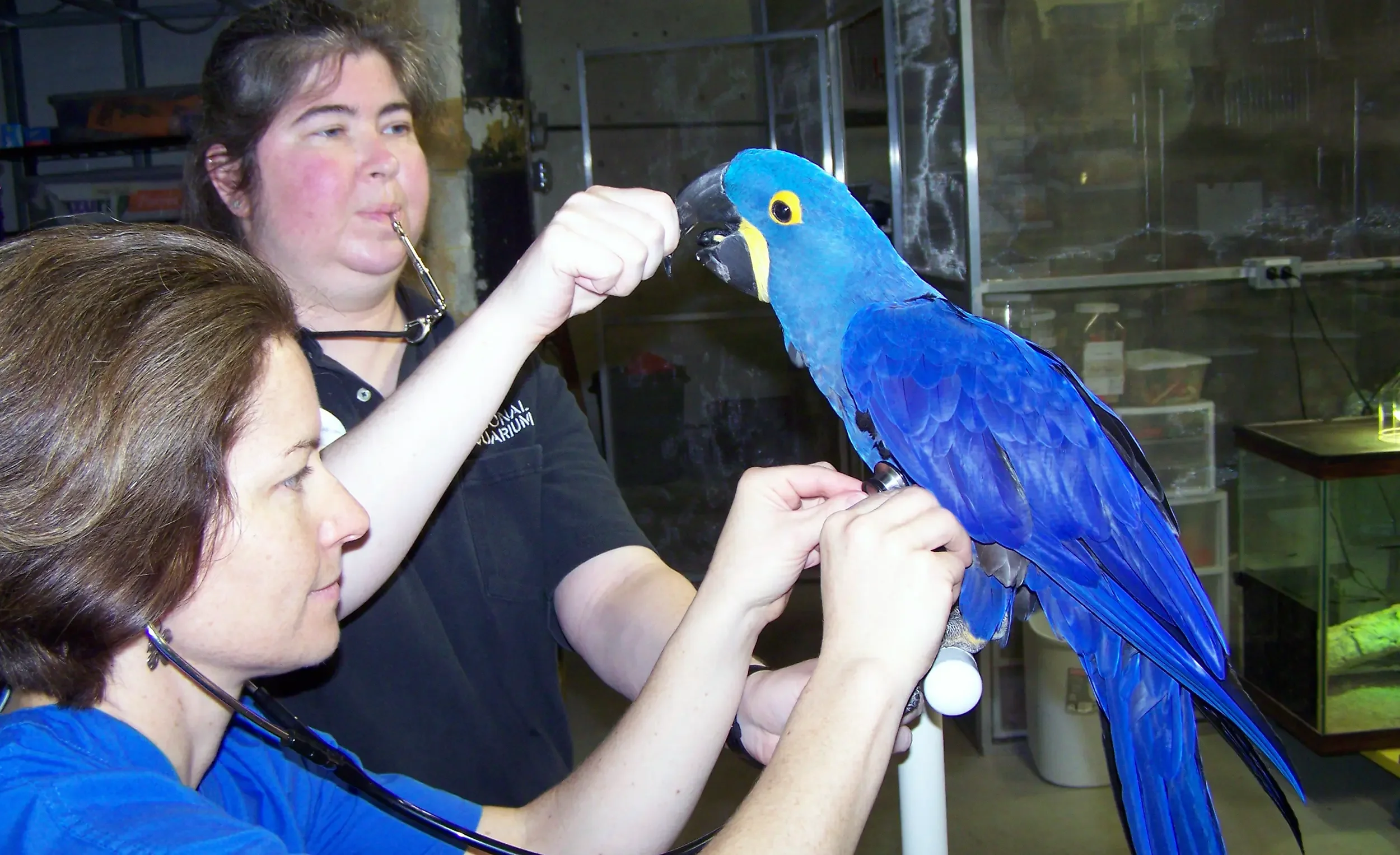
Program Learning Objectives
After completing the BWZS Certificate Program, you will:
Explain learning and behavior from a natural science perspective and describe its significance to contemporary animal care.
Locate and evaluate relevant research articles and use research findings to inform your practice caring for animals.
Effectively incorporate natural and individual history into behavior-change programs to improve the wellbeing of animals.
Refine and advance practical training skills to ensure animal’s cooperative medical and husbandry care.
Effectively lead evidence-based behavior-change programs using ongoing assessment and data analysis.
Behave in accordance with established ethical guidelines regarding changing behavior of animals in your care.
Build and maintain lasting professional relationships with colleagues to advance the animal care field.
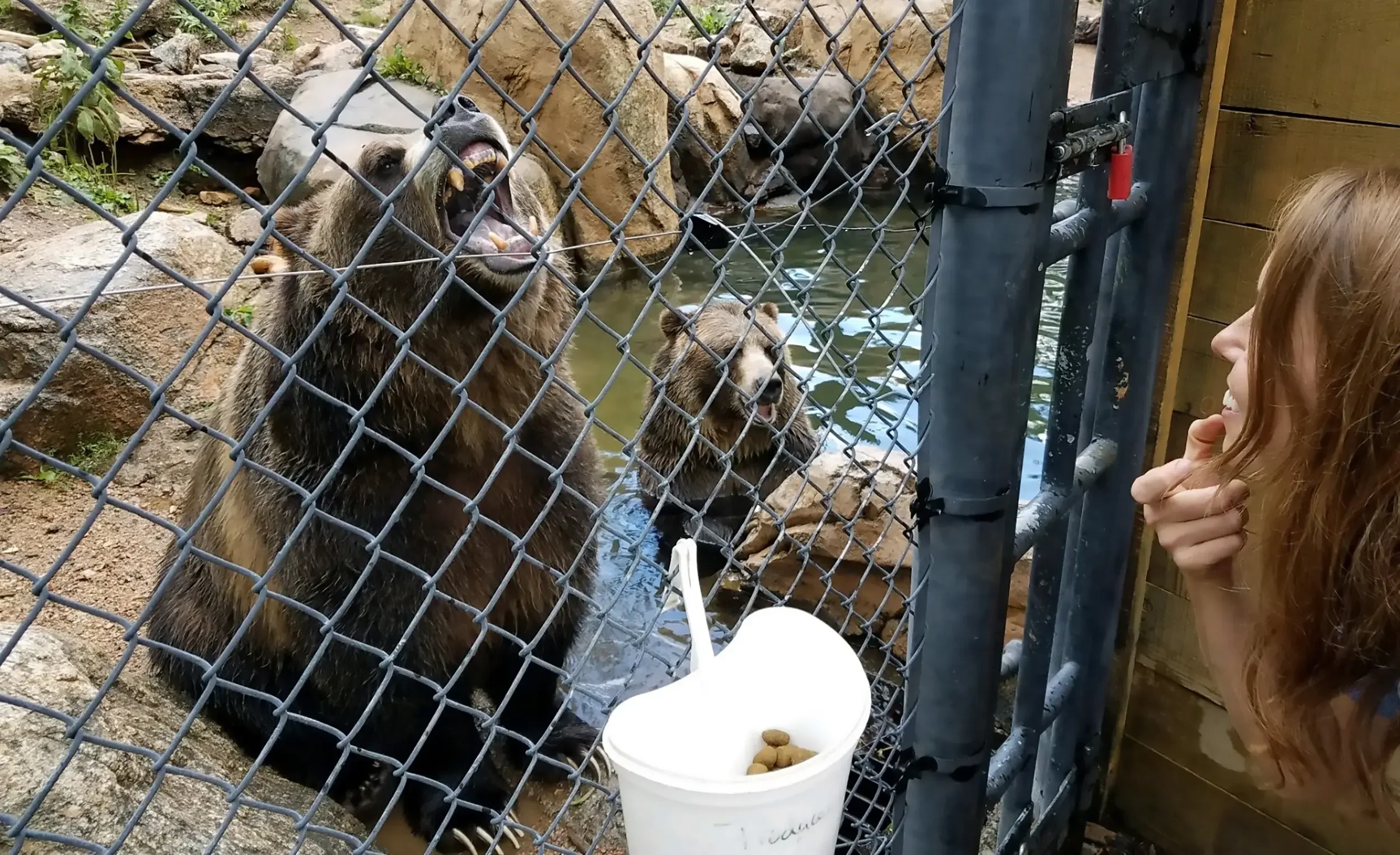
Certificate Program
Experience a transformative, year-long professional training program designed for animal-care and behavior professionals seeking advanced, practical, real-world skills.
Comprehensive Coursework
(October 2026 – June 2027)
The curriculum features eight courses distributed across four terms starting in October. Eight-week terms consists of two concurrent courses, with each class meeting once a week. Detailed syllabi will be provided before the program begins.
Time Commitment
Class Meetings: Each course meets once per week for up to 3 hours (exact duration to be determined by the instructor).
Out-of-Class Work: Expect up to 2 hours of independent work per week, per course.
Total Weekly Commitment: Approximately 10 hours.
This carefully designed structure allows participants to maintain a manageable schedule while benefiting from high-caliber instruction, hands-on learning, and ongoing coaching from seasoned behavior professionals.
Evidence-Based Instructional Practices
Evidence-Based Instructional Practices are used to develop activities and assignments. Technology tools are available to support these.
Flipped Classrooms
Students review core content (readings, videos, mini-lectures) before class, and live sessions are used for discussion, application, practice, and problem-solving rather than lecturing, or in addition to brief clarifying lectures.
Socratic Queries
Purposeful, open-ended questions that guide students to think more deeply, clarify their reasoning, examine assumptions, and support claims with evidence instead of simply giving them answers.
Student-Led Inquiry
An approach where students take active responsibility for asking questions, exploring topics, leading discussions, or investigating problems, with the instructor serving as a facilitator rather than the primary source of information.
Structured Reading Guides
Organized prompts, questions, or note-taking frameworks provided alongside readings to help students focus on key concepts, identify main ideas, and engage more actively with the material.
Frequent Feedback (To and From Students)
Regular, timely communication about learning progress—including instructor comments on student work and structured opportunities (e.g., surveys, reflections, check-ins) for students to share feedback about the course and their understanding.
Monthly Video Coaching
Participants enrolled in the full program receive personalized video coaching sessions every month. Students will upload a one-minute training video and then meet virtually in a small group with expert instructors for focused feedback using the Start-Continue-Stop coaching model.
This process strengthens your own training performance and builds deep behavioral insight—empowering you not only to improve your work, but also to coach others with confidence.
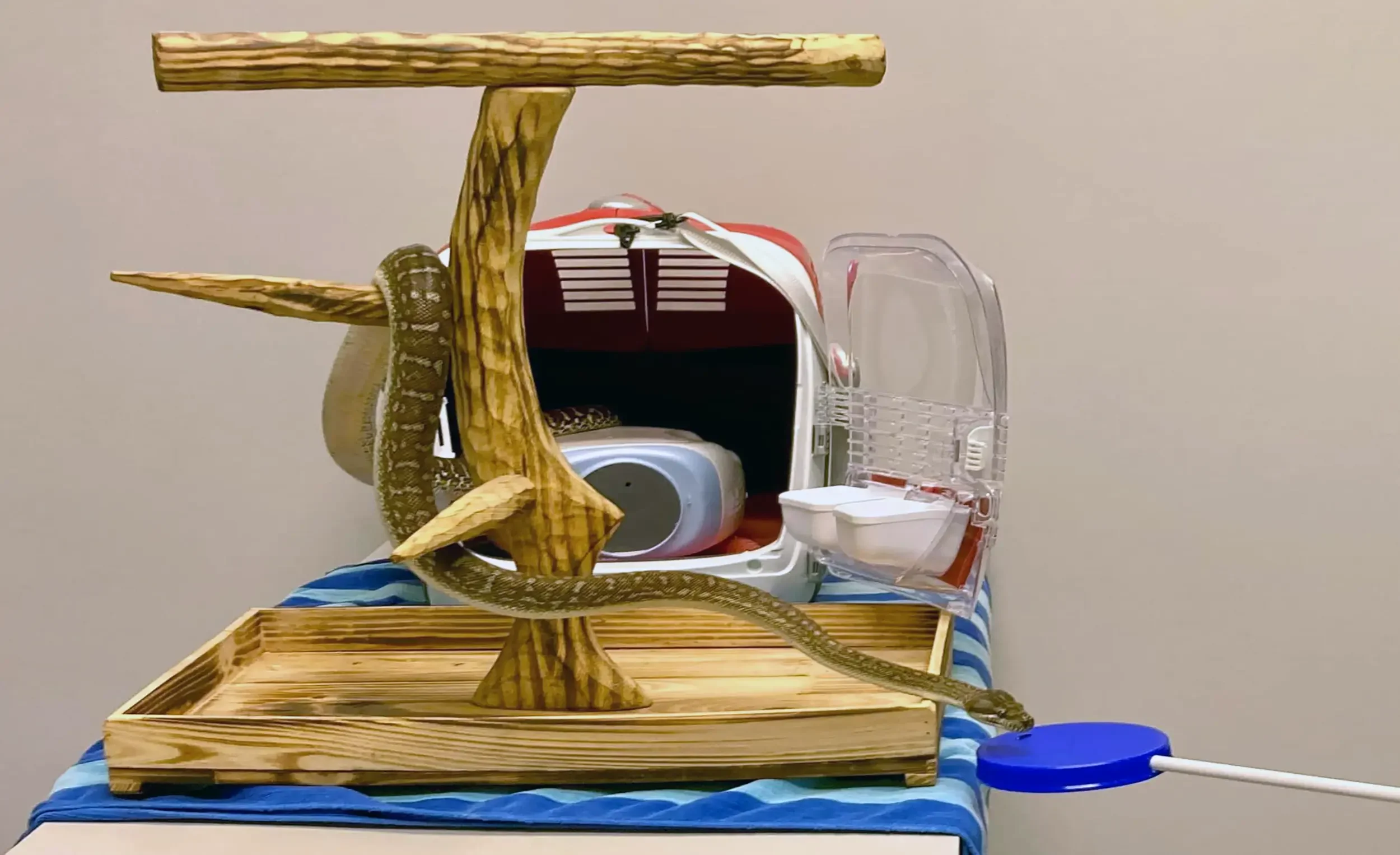
5-Day Immersive Workshop at Premier Training Facilities
The program culminates with a five-day, in-person hands-on training workshop hosted at one of several premiere sites, including Cheyenne Mountain Zoo, The Ranch-Karen Pryor’s National Training Center, Austria’s AnimalTrainingCenter, Jimmy’s Farm & Wildlife Park, as well as other European and Australian sites. Travel and lodging are not included in tuition fees.
The main focus of this immersive experience is training — not just talking about training! Students will be coached by leading trainers who provide both immediate feedback and the opportunity to apply skill improvements. This is also an opportunity to learn more about coaching by assessing your coaches skills at delivering meaningful feedback effectively.
The dates and locations currently scheduled for the 2026 - 2027 program workshops are:
June 21 - 25, 2027: AnimalTraningCenter (Austria)
July 18 - 23, 2027: Cheyenne Mountain Zoo
Aug 13 - 19, 2027: The Ranch - Karen Pryor’s National Training Center

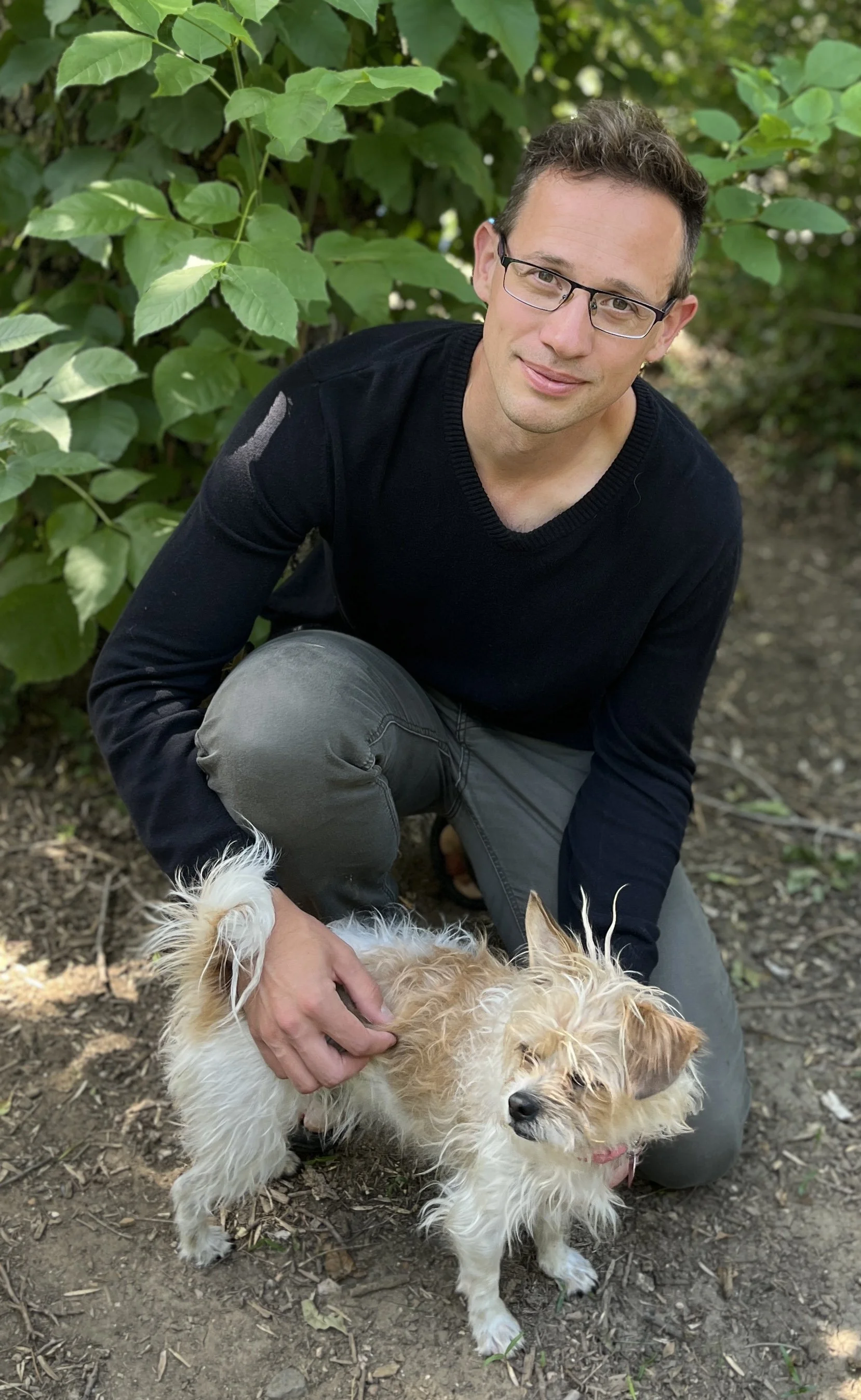
Rick Hester
Chief Executive Officer
Rick Hester is the Director of Animal Care and Wellbeing at the Cheyenne Mountain Zoo in Colorado. His career at the zoo spans nearly two decades, beginning as a zookeeper in 2006 caring for a wide variety of species, including small primates, great apes, penguins, African lions, and bears. In 2015, he started working with Dr. Susan Friedman and began to understand the importance of behavior analysis and its application for animals in human care. He began curating the zoo’s behavior programs in 2018 and now oversees the zoo’s animal department. His work includes the zoo's animal training for husbandry, medical, and public show behaviors, engineering enriched environments, developing programs to improve problem behavior situations, the zoo's formal animal welfare assessments, and exhibit design. He is affiliative faculty at Colorado State University in the Department of Biology and a behavior consultant and course co-instructor for Susan Friedman's Behavior Works LLC.

Christy Alligood, Ph.D.,
BCBA-D
Chief Science Officer
Dr. Christy Alligood is a sought-after teacher, speaker, and thought leader whose experience spans the science and practice of behavior analysis.
Dr. Alligood received an MA (2003) from the University of North Carolina at Wilmington and a Ph.D. (2007) from West Virginia University. She is also a doctoral-level Board Certified Behavior Analyst (BCBA-D).
For over 17 years, Dr. Alligood served as a behavior scientist at Disney’s Animals, Science, and Environment. In that capacity, she used her expertise in the application of behavior analysis to enhance the welfare of nonhuman animals through cooperative training, environmental enrichment, behavioral problem solving, and behavior change strategies supporting the conservation of wildlife and wild places.
Dr. Alligood is now a faculty member in the Department of Applied Behavioral Science at the University of Kansas. Since 2020, she has also been an instructor and consultant at Behavior Works, where she teaches How Research Works and facilitates the monthly Animal Behavior Research Readers discussion group for animal professionals. She previously held faculty positions at the Chicago School of Professional Psychology and the University of Florida, where she was a nominee for the 2021 UF College of Liberal Arts and Sciences Teacher of the Year Award. She has served in many leadership roles in the Association for Behavior Analysis International, including president of the Applied Animal Behavior Special Interest Group, Coordinator of the Special Interest Groups Board, and At-large Representative to the Executive Council. She is also a past president and secretary of the Southeastern Association for Behavior Analysis and a general member of the AZA Behavior Advisory Group serving on the Culture Change working group.
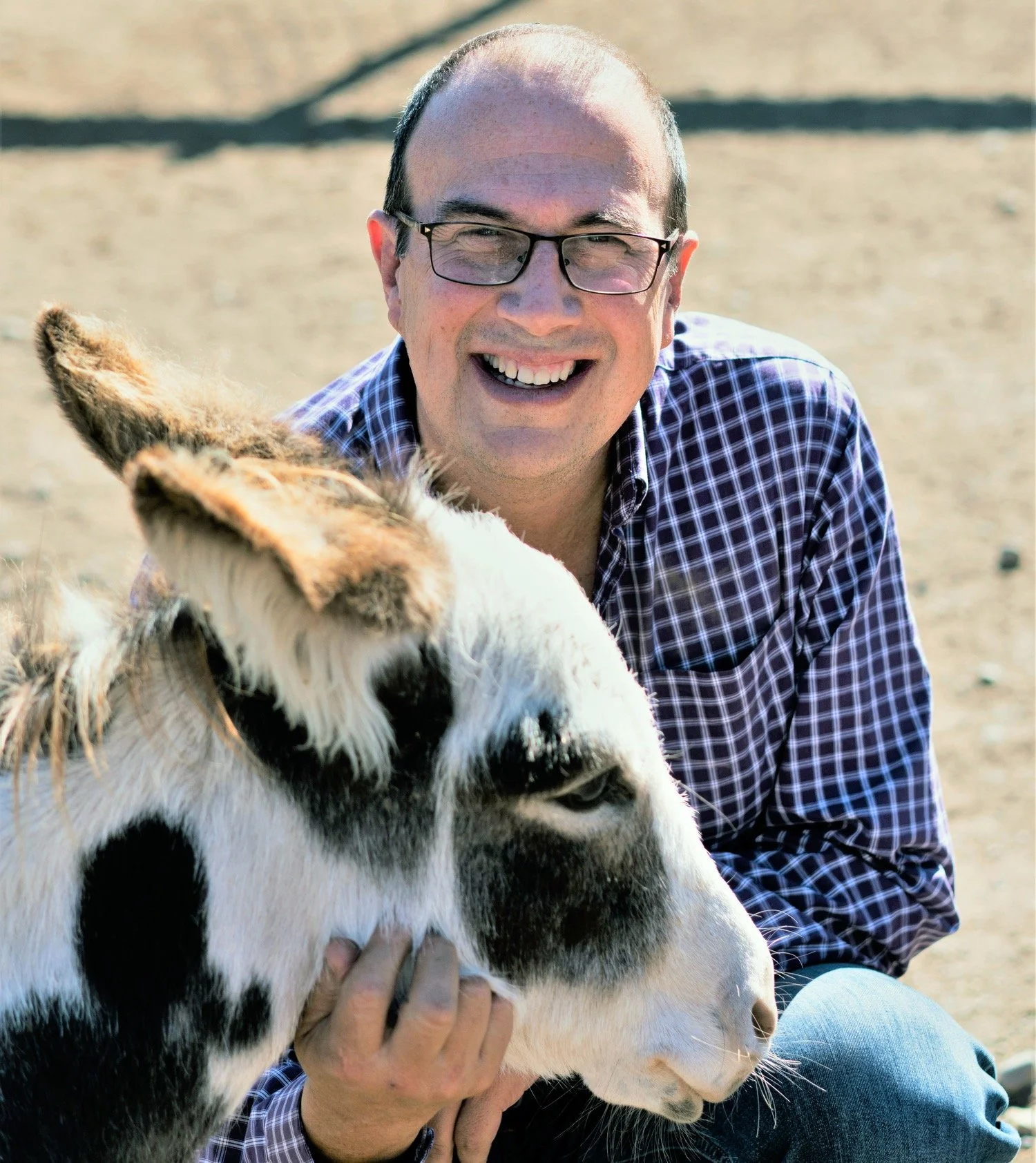
Ken Ramirez
Chief Training Officer
Ken Ramirez is the Executive Vice-President and Chief Training Officer at Karen Pryor Clicker Training where he helps to oversee the vision, development and implementation of training education programs for the organization.
Previously, Ken served as EVP of animal care and animal training at Chicago's Shedd Aquarium, where he developed and supervised animal care and animal health programs, staff training and development as well as public presentation programs for more than 32,000 animals. He worked at Shedd Aquarium for over 25 years and continued as a consultant for several years after.
A more than 50-year veteran of animal care and training, Ramirez is a biologist and animal behavior specialist who has overseen or consulted on training projects for many zoological organizations throughout the world. He began his training career working with guide dogs for the visually impaired and has maintained a close affiliation to pet training throughout his career. He hosted two successful seasons of the pet training television series Talk to the Animals that compared pet training to the important work done with training and caring for animals in zoological facilities. He has also worked closely with several search and rescue dog organizations, service dog groups, as well as with bomb and narcotic dogs.
Ramirez has been active in several professional organizations, including the International Marine Animal Trainer’s Association (IMATA), of which he is a past president. He taught a graduate course on animal training at Western Illinois University for 20 years. Ramirez has written for numerous scientific publications and authored countless popular articles. He authored the book ANIMAL TRAINING: Successful Animal Management through Positive Reinforcement, published in 1999. His most recent book The Eye of the Trainer: Animal Training, Transformation, and Trust, was published in 2020. Notably, in the past ten years, Ken has received three lifetime achievement awards from different professional training organizations: ABMA (Animal Behavior Manager’s Alliance), IMATA (International Marine Animal Trainers Association), and APDT (Association of Professional Dog Trainers).
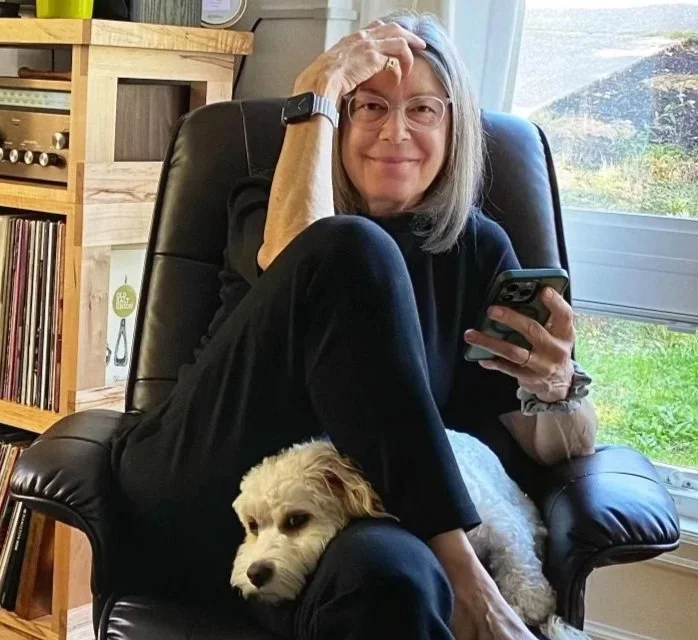
Susan G. Friedman, Ph.D.
Founder
Dr. Susan G. Friedman, Ph.D. is a Professor Emeritus in the Department of Psychology at Utah State University. Susan has co-authored chapters on behavior change in five veterinary texts, and her popular articles have been translated into 17 languages. She teaches seminars and courses on animal learning online (How Behavior Works: Living & Learning With Animals), with students from 63 countries so far. Susan also consults with zoos and animal organizations around the world. She was appointed to the F&WS California Condor Recovery Team from 2002 – 2010, after which time the team was retired due to the success of the birds in the wild. She is the Chairperson of the Scientific Advisory Committee of American Humane Association (AHA) Film and TV Unit, and a member in good standing of ABAI, ABMA, IAATE and IAABC.
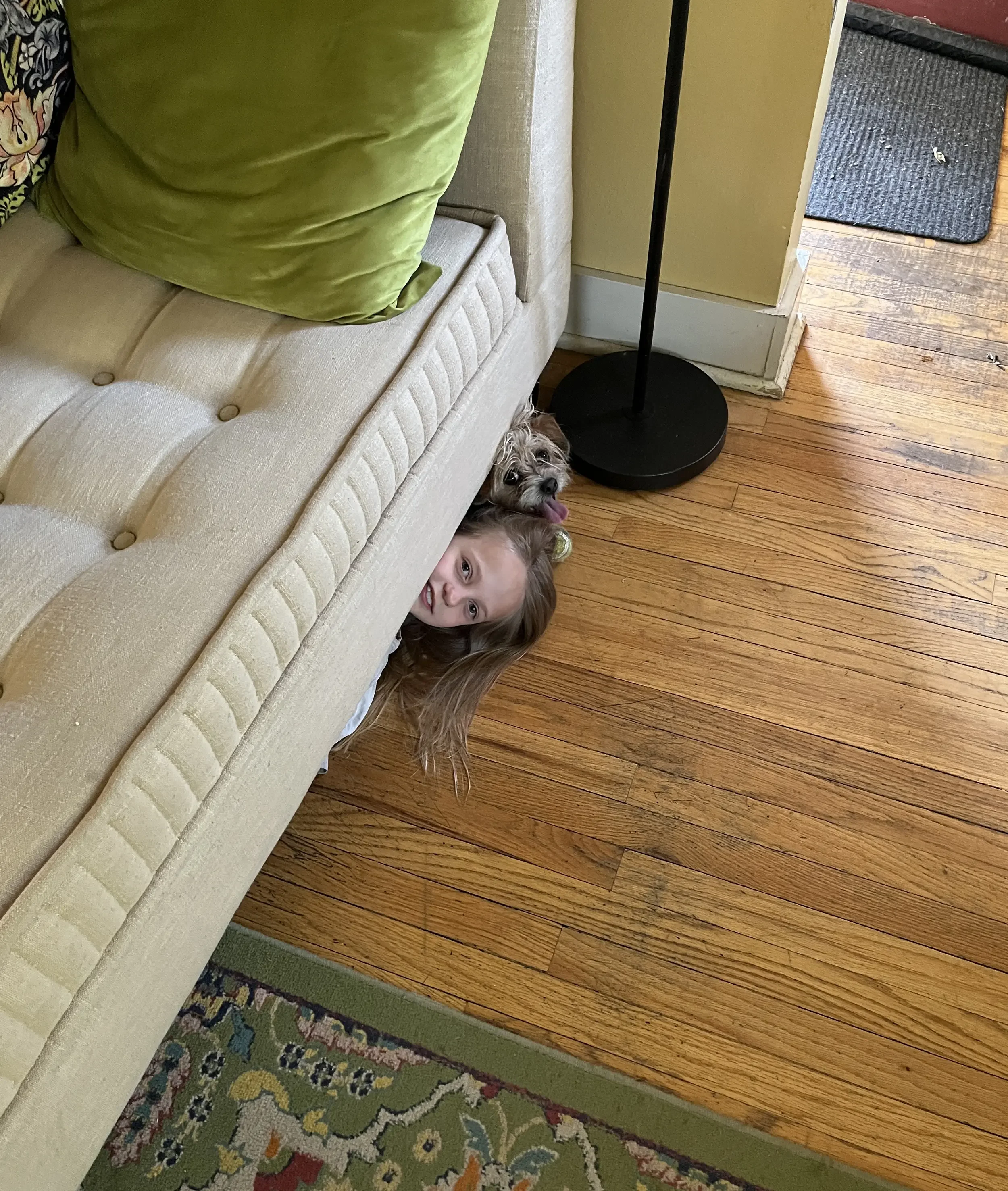
Perrin Alice Hester
Behavior Science Influencer
Perrin A. Hester, is the Behavior Science Influencer at Behavior Works. Perrin loves being part of the BW team because she respects all animals, likes working with them, and likes caring for them. She has a special interest in influencing what people do because kids don’t always have a way to impact adult thinking.
Perrin’s impressive contributions include her educational video series, “Fairy Asks A Question”, which can be found at the Behavior Works website. Her two episodes are How Cottage Cheese is Made and Tardigrades.
A self-described conservationist, Perrin enjoys teaching others how to protect species. She tries to model persistence, never giving up, and revising her plans until she gets something right.
Behavior science is super-important because if everyone knew it, the world would be a better place for animals and people. She adds, with a smile, “I guess I should just say animals, because people are animals too!”
Along with the rest of the BWZS team, Perrin’s love of learning has led her to study the science of behavior. She hopes to carry forward to others the empowering information she has learned.
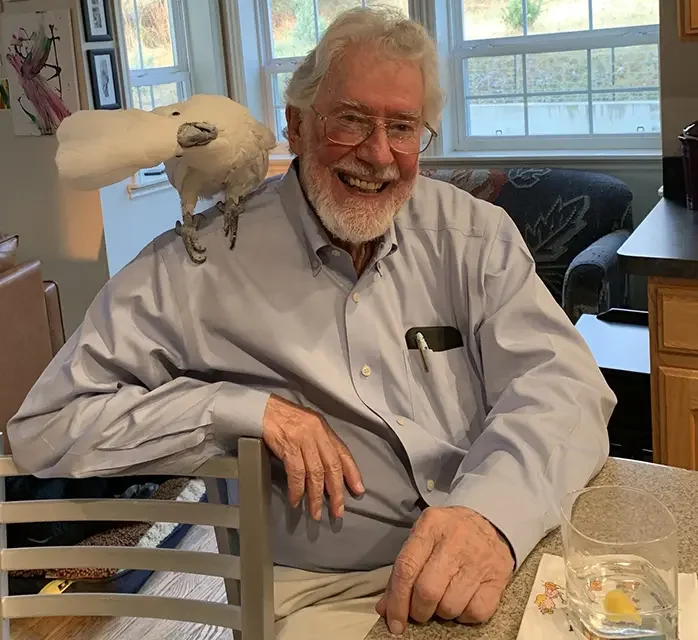
Carl Cheney, Ph.D.,
Mentor-In-Residence
Carl D. Cheney, Ph.D is Professor, Emeritus, of Psychology at Utah State University, USA. He taught behavior analysis and physiological psychology, and published widely in the experimental analysis of behavior-conducting basic analyses of predator-prey interactions, diet selection in domestic livestock, as well as reinforcement-schedule alterations and transitions in humans. His current research is focused on encouraging the wider use of behavior analysis in all appropriate situations.
The next logical step in growing your knowledge and skills across species, settings and situations.